Class A theory
For a first Class A CDL: tractor-trailers and other combination vehicles. Follow it with behind-the-wheel training, then your state skills test.
$189
Choose Class A
Federal Entry-Level Driver Training theory, taught with animated scenarios instead of pages of text, from a provider listed on FMCSA’s Training Provider Registry.
Entry-Level Driver Training (ELDT) is the federal training standard a new commercial driver must complete before testing. It has applied since February 7, 2022 to anyone getting a first Class A or Class B CDL, upgrading from Class B to Class A, or adding a Hazmat, Passenger or School Bus endorsement for the first time.
ELDT has two parts. Theory covers the knowledge side and can be taken online. Behind-the-wheel training happens in a truck, on a range and on public roads, and is always in person. The Hazmat endorsement needs theory only.
Training counts only when the provider is listed on FMCSA’s Training Provider Registry and submits your completion to it. Your state licensing agency checks that registry before it lets you take the CDL skills test or the Hazmat knowledge test.
Checked against FMCSA guidance, October 2026.
Theory is the part you can do online. Here is what comes after it.
Self-paced, with any registered provider. This is the part we sell.
Range and public-road training with a registered provider, within a year of theory.
Your state checks the registry for both parts before it tests you.
The only ELDT requirement for Hazmat, so the training part is done here.
Your state’s Hazmat knowledge test, plus TSA’s background check.
The H goes on your CDL once both are cleared. More on Hazmat
Most online ELDT is sold on two promises: cheapest and fastest. You read text on a screen, take a quiz, and get a certificate. That clears the requirement. It does very little for a new driver’s first week in a truck.
We came at this from the classroom. Our program is led by a former public-school teacher who went on to drive tractor-trailers and motorcoaches for more than eight years, then built a technical college’s CDL program from the ground up: the curriculum, the lesson plans, the trucks, the backing range. He has trained more than 300 drivers in person and was trained by the State of Georgia as a third-party CDL examiner.
That background is the filter for what we sell. The course had to teach the way a good instructor does: show the situation, check that it landed, and go back over anything that didn’t.
It matters more now than it did a few years ago. FMCSA has been auditing training providers and, as of May 2026, had removed more than 9,000 training locations from its registry (J. J. Keller). Whoever you train with, look them up on the registry first. That includes us.
Lessons use computer animation to walk through real situations, from coupling a trailer to managing space in traffic, so a driver sees what right looks like before trying it.
Miss a question and the course takes you back through that topic until you have it. There is no failing grade and no retest fee. There is also no skipping ahead.
Stuck on a login, a license number or what to do next? Email us and someone who knows CDL training writes back.
When you finish, we submit your completion to the Training Provider Registry and email your certificate. You don’t file anything yourself.
Screens from our Class A and Hazmat courses.
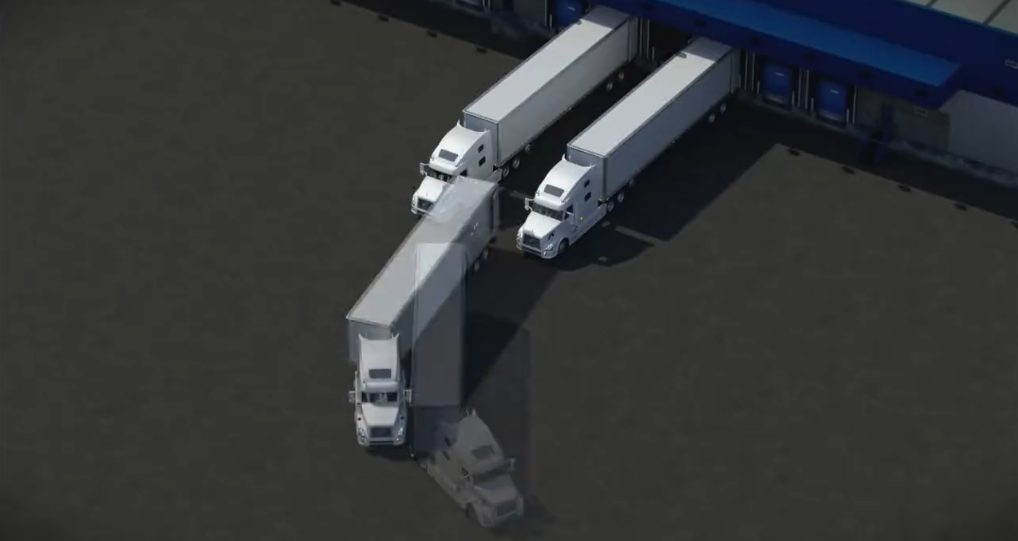
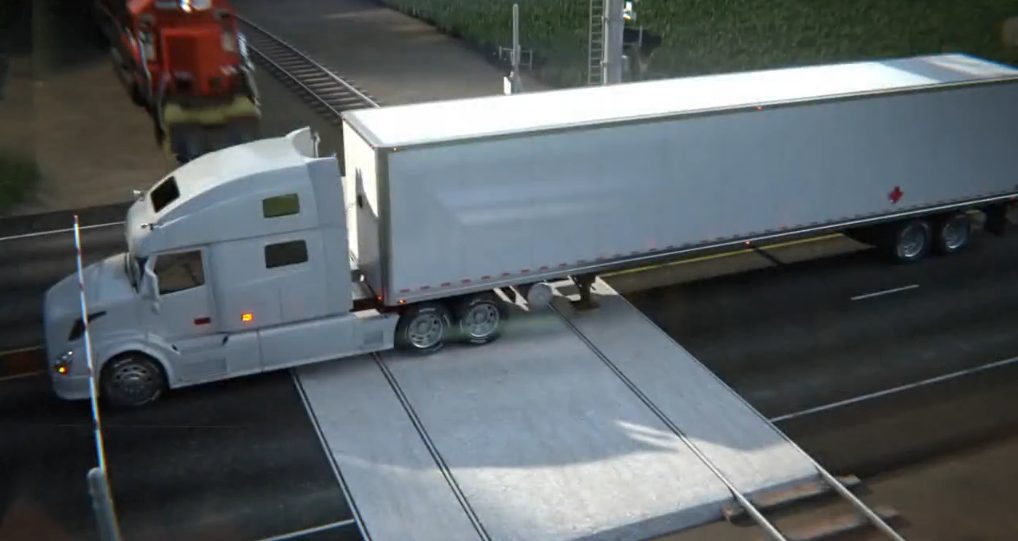
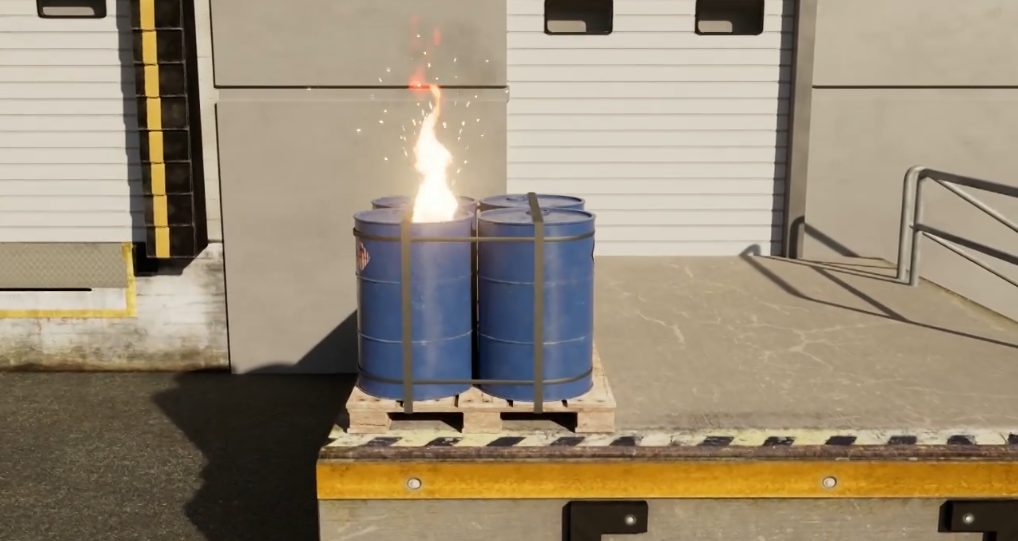
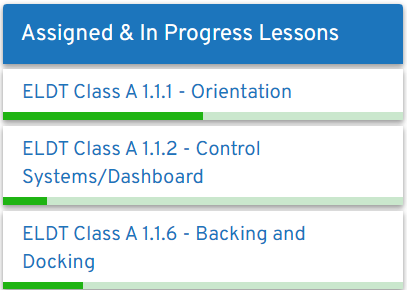
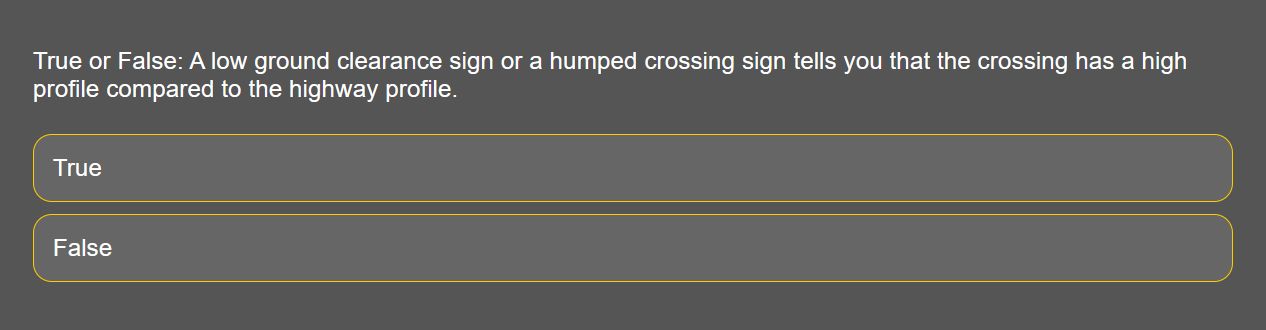
Each course covers the full federal theory curriculum for its license class or endorsement. All are self-paced, and your progress is saved when you stop.
For a first Class A CDL: tractor-trailers and other combination vehicles. Follow it with behind-the-wheel training, then your state skills test.
For a first Class B CDL: straight trucks, dump trucks, buses and other single vehicles. Follow it with behind-the-wheel training, then your state skills test.
For drivers who already hold a Class B CDL and are moving up to Class A. Behind-the-wheel training in a Class A vehicle is still required.
For a first hazardous materials endorsement. Theory is the only ELDT requirement, so this one is complete online. Next come the TSA background check and your state knowledge test. What the Hazmat course covers
Fleets, municipalities and contractors rarely train everyone on the same day. Pay once for a block and we email you one code per seat. When a driver is ready, give them a code and they enroll themselves.
| Course | 1 | 5 | 10 | 25 |
|---|---|---|---|---|
| Class A | $189 | $169 | $159 | $149 |
| Class B | $179 | $159 | $149 | $139 |
| B to A upgrade | $149 | $135 | $125 | $115 |
| Hazmat | $99 | $89 | $84 | $79 |
Coupon codes apply at checkout. For 50 or more seats, email support@eldttraining.com.
Buy a block of 5, 10 or 25 seats in one checkout, with one receipt for accounting.
We email you the codes after checkout. Keep them until you hire.
The driver enters it on our enrollment form and starts training. No account to manage.
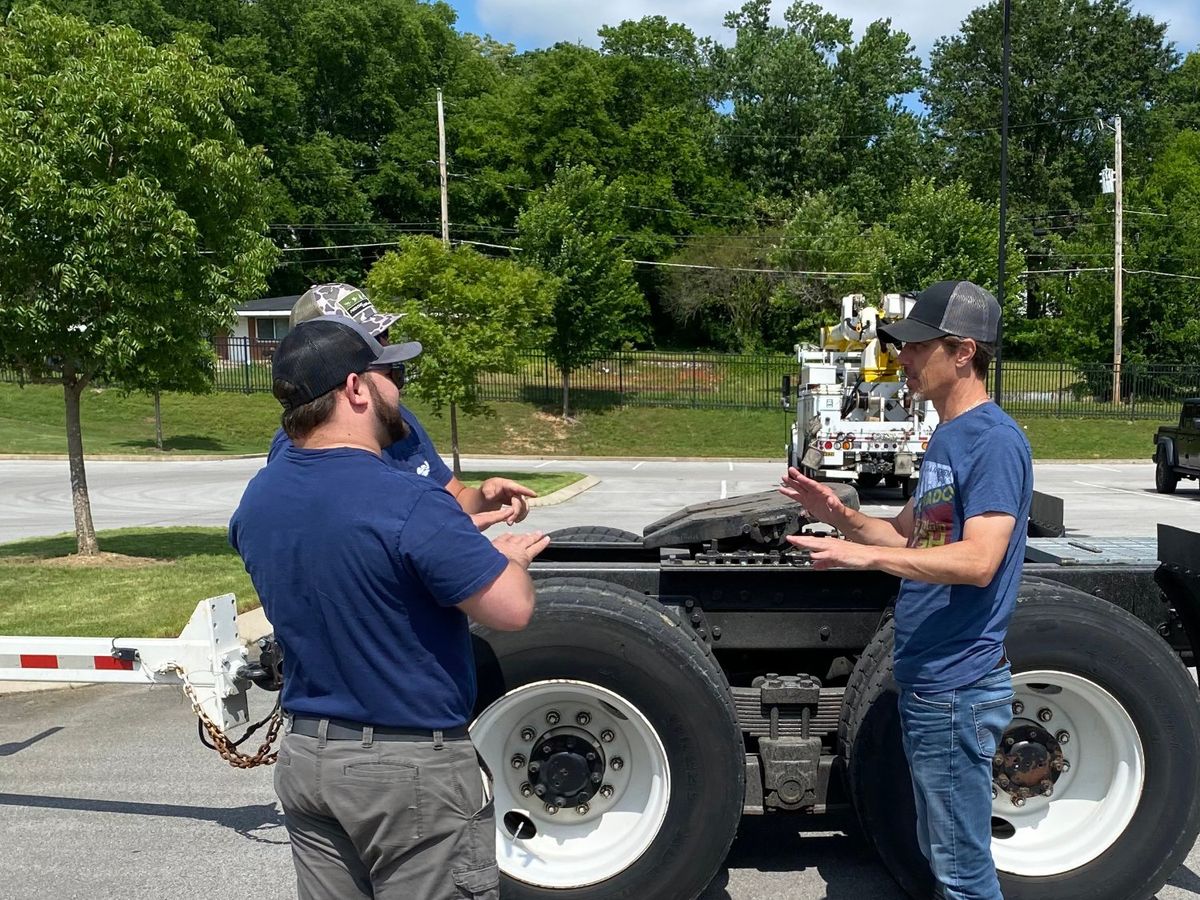
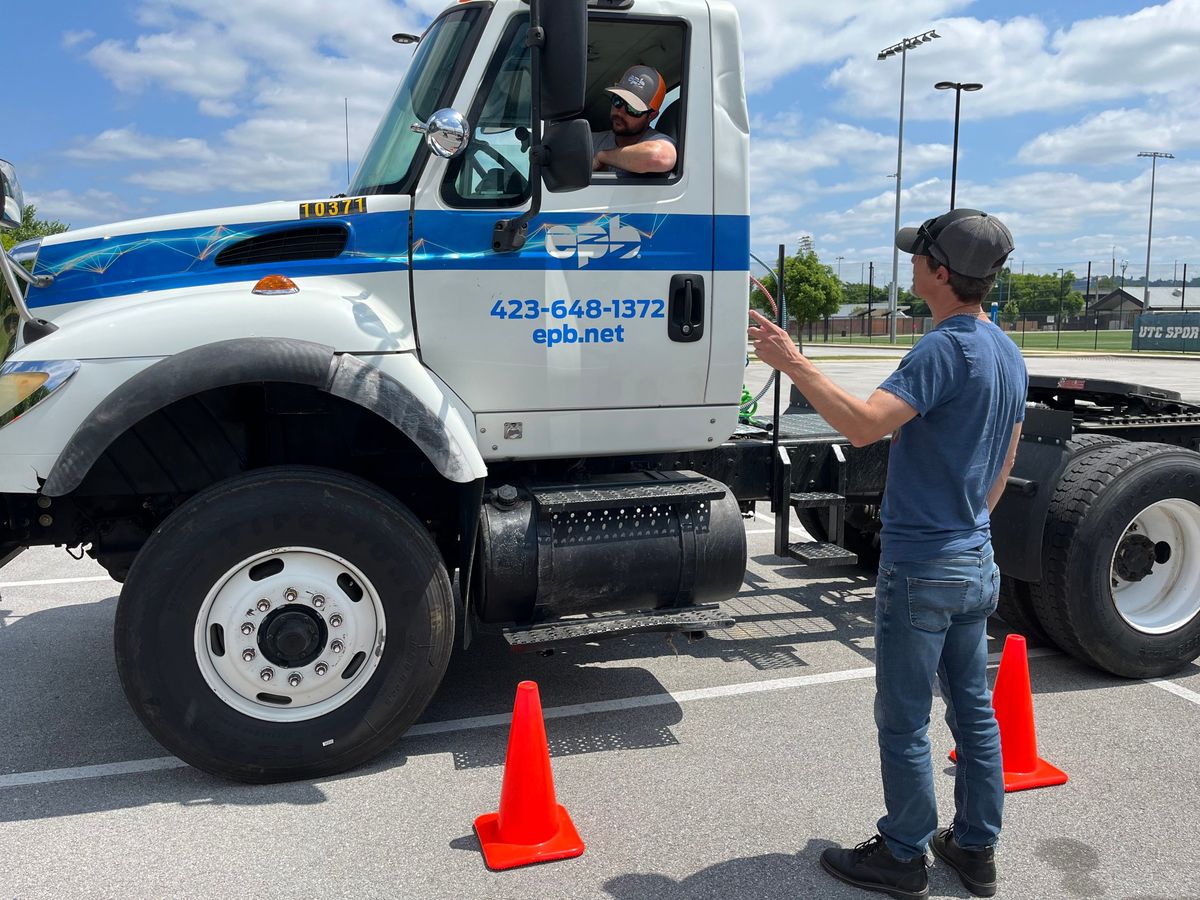
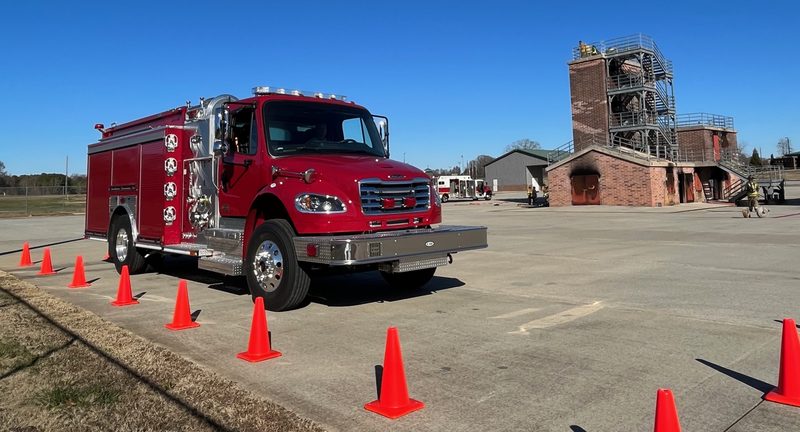
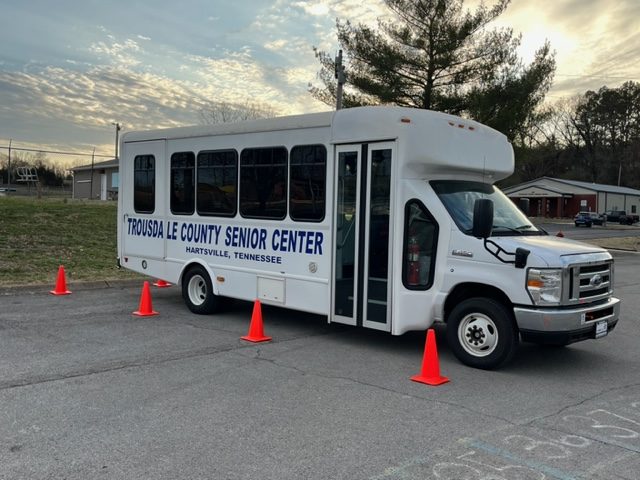
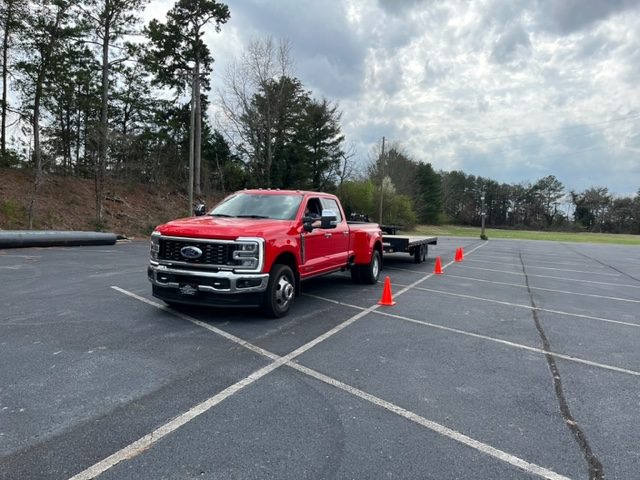
Utilities, fire departments, county agencies and contractors, in the vehicles their drivers will actually operate.
Pay online, then give us the driver’s legal name, date of birth and license or permit number exactly as printed. The registry matches on those.
Work through the animated lessons on your own schedule. Stop when you need to and pick up where you left off.
The federal standard is 80%. Because the course reviews anything you miss, you keep going until you get there.
Within one business day we submit your completion to the Training Provider Registry and email your certificate. Then it’s on to behind-the-wheel training or, for Hazmat, your knowledge test.
Keep working until you reach the passing score. No retest fees and no charge to go back over a topic.
When you finish, we submit your completion to the Training Provider Registry within one business day, ahead of the federal two-business-day deadline, and email your certificate.
If your registry record has an error on our part, we correct it at no charge.
“The format was perfect and well delivered. If you did not grasp it all and mistakenly answered a test question incorrectly, it would take you back over that subject to ensure you grasped the content.”
Yes. You can confirm it yourself in about a minute: go to tpr.fmcsa.dot.gov, search for the provider name shown in the footer of this page, and look under the theory listings.
FMCSA does not approve or certify individual courses. It registers providers who certify that their training meets the federal standard, and only registered providers can submit your completion.
The theory portion can. For a Class A or Class B license, or a Class B to Class A upgrade, you also need behind-the-wheel training on a range and public road with a registered provider, and that part is always in person.
The Hazmat endorsement is the exception: theory is the only ELDT requirement, so it can be completed fully online.
Most drivers finish Class A or Class B theory in about 12 to 14 hours, the B to A upgrade in about 10 to 12 hours, and Hazmat in about 4 hours. The federal rule sets no minimum number of hours for theory. It requires that every topic is covered and that you score at least 80 percent on the assessment. You can stop and pick up where you left off.
In every state except Washington. ELDT is a federal standard, so theory completed with a registered provider counts toward the federal requirement nationwide.
Washington adds its own rules: 40 hours of classroom theory for Class A or B, 16 hours for Hazmat, and no fully self-paced online courses (WAC 308-100-033). Our courses do not meet those rules, so we do not enroll drivers licensed in Washington. In any other state, if you are unsure, check with your state licensing agency before you enroll.
No. The federal rule does not set an order for the permit and theory training, so you can start theory with a regular driver’s license. You will need a permit before any behind-the-wheel training on a public road.
When you finish, we submit your completion to the Training Provider Registry, which is where state licensing agencies look it up. We report within one business day; the federal deadline is midnight of the second business day after you complete training.
You can check your own record at tpr.fmcsa.dot.gov/Check. Your name, date of birth and license number must match your license exactly, so enter them carefully.
For a Class A or Class B license, federal rules require theory and behind-the-wheel training to be completed within one year of each other. You can take them from different registered providers.
Yes. Buy a block of 5, 10 or 25 seats at a lower price per seat and we email you one code per seat. Give a code to each driver when you are ready for them to start. For 50 or more seats, purchase orders or invoicing, email us.
The least expensive courses are text you read on a screen followed by a quiz. Ours teaches with computer-animated scenarios, takes you back through any topic you miss until you have it, and comes with people who answer when you need help.
If the lowest price is the only thing that matters to you, we are not the right fit, and that is fine.
Passenger (P) endorsement theory is available by request: email us or call 706-892-7550 and we’ll enroll you. School Bus (S) endorsement theory isn’t offered at the moment.
Plain answers to the questions we hear most, checked against FMCSA and state sources.
Who needs it, the steps to an H endorsement, and what the course covers.
Read the guide →Renewals, transfers to a new state, and endorsements that expired.
Read the guide →When DDS checks your training, the 14-day permit wait, Hazmat and transfers.
Read the guide →Enroll in a few minutes. Start today, or buy seats now and use them as you hire.